
When Receiving Care Feels Uncomfortable
You may offer care easily.
Listening.
Supporting.
Showing up for others.
But when care is directed toward you, something shifts.

Why You Shut Down Instead of Speaking Up
There may be moments when you want to speak.
A thought rises.
A feeling becomes clear.
Something inside you wants to say, this doesn’t feel right.
And then—silence.

When Conflict Feels Like Abandonment
For many trauma survivors, the deepest work is not avoiding conflict but learning to remain present during it.
That might mean: tolerating a few moments of discomfort, trusting the relationship can hold tension, allowing space before rushing to repair
These moments help build a new relational experience—one where difference does not automatically lead to loss.

Learning to Feel Without Becoming Overwhelmed
For many people healing from trauma, emotions can feel like too much.
Too intense.
Too unpredictable.
Too difficult to hold.
You may find yourself either flooded by feeling—or disconnected from it entirely.
Neither response is wrong.
Both are ways the nervous system learned to protect you.

When Meaning Collapses—and What Comes After
There are moments in life when the framework you lived inside no longer holds.
Beliefs shift.
Relationships fracture.
Identity loosens.
Certainty dissolves.

The Loss of Self That Comes With Healing
We often imagine healing as gain.
More clarity.
More confidence.
More steadiness.
What we don’t often talk about is the loss.
Because sometimes, as you heal, parts of you begin to fall away.

When Self-Trust Was Never Safe
You may struggle to trust yourself.
Not because you are impulsive.
Not because you lack insight.
But because somewhere along the way, trusting yourself carried risk.
For many people shaped by relational or religious trauma, self-trust was not encouraged.
It was corrected.

Why Calm Can Feel Unsettling After Trauma
The nervous system is not designed to choose what is best.
It is designed to choose what is known.
If your body has spent years in:
Fight (irritability, defensiveness)
Flight (anxiety, urgency)
Freeze (numbness, shutdown)
Fawn (over-functioning, people-pleasing)
Then true regulation may feel disorienting at first.

Why Being “Independent” Isn’t Always Empowerment
Hyper-independence is not confidence—it is protection.
It often looks like: Handling everything alone, Struggling to ask for help, Feeling uncomfortable receiving care, Minimizing your own exhaustion, Being the dependable one, Believing it’s easier not to rely on others
From the outside, it can look like strength.
Inside, it often feels lonely.

What Emotional Neglect Looks Like in Adulthood
You Were Never Too Much
Emotional neglect often leaves people believing their needs were excessive or inconvenient.
They were not.
They were human.
The absence of response does not mean the need was wrong.
It means it went unmet.

Why You Keep Reenacting the Same Relationship Patterns
If you feel caught in repeating relationship patterns, there is nothing wrong with you.
Your system is not failing—it is remembering.
Healing involves helping your body learn something new

Healing Trauma in Relationship—Not in Isolation
Many people try to heal trauma alone.
They read.
They reflect.
They work hard to understand themselves.
And still, something remains untouched.
This is not a failure of effort.
It is a misunderstanding of how trauma forms—and how it heals.
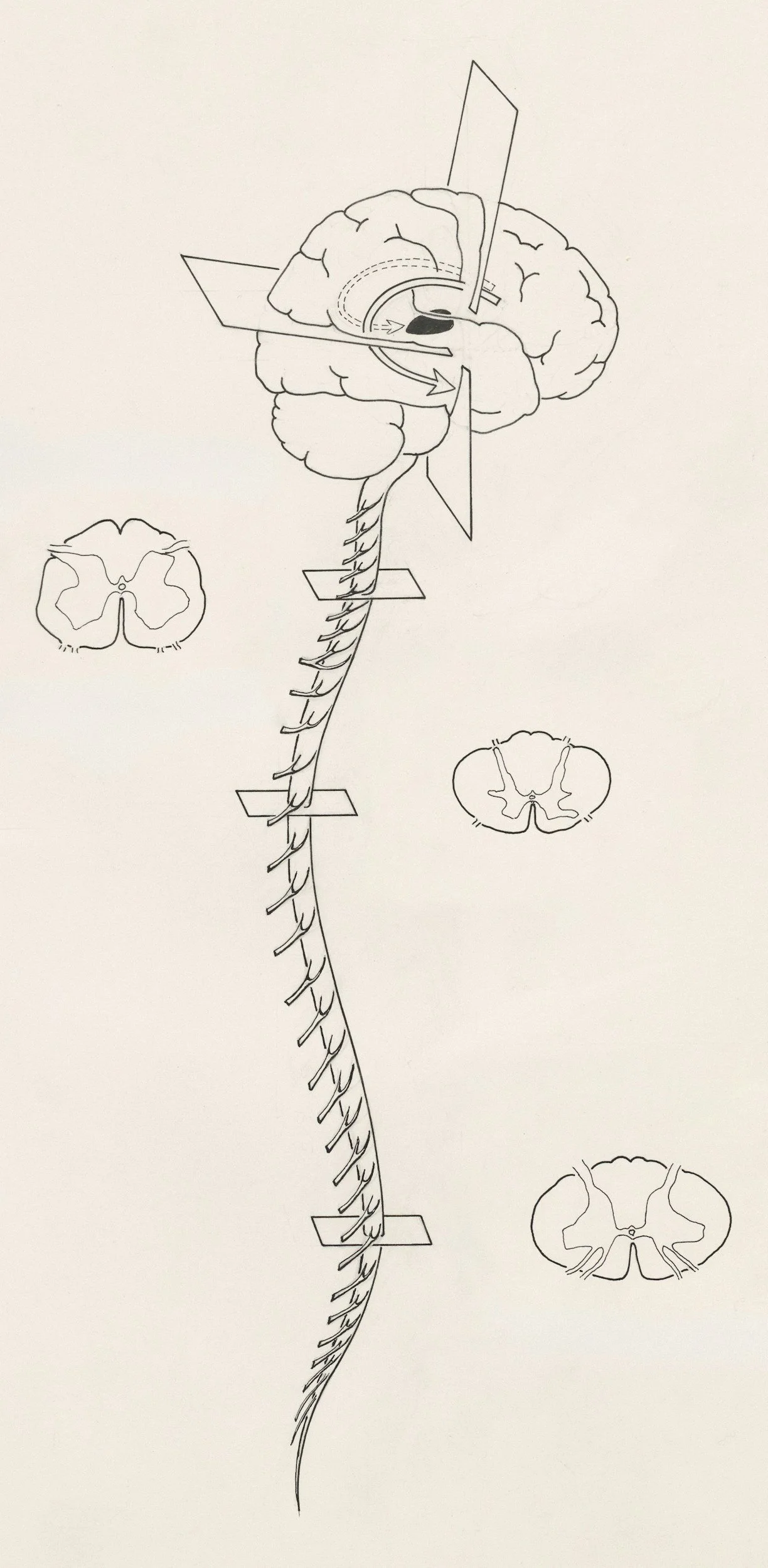
The Nervous System Remembers What the Mind Forgot
You may not remember exactly what happened.
You may not have a clear story.
And still—your body reacts.
Your chest tightens.
Your stomach drops.
Your breath shortens.
Nothing is wrong with your memory.
Trauma is not primarily stored as narrative.
It is stored as experience.

When Identity Was Shaped by Survival
For many people, identity did not form through exploration.
It formed through necessity.
You became who you needed to be in order to stay connected.
To remain safe.
To belong.
Over time, that role began to feel like you.

Why Safety Feels So Hard After Early Relational Trauma
You may want closeness.
You may crave connection.
And still—something inside tightens when it arrives.
Your body hesitates.
Your breath changes.
Your mind scans for what might go wrong.
This can be deeply confusing, especially when nothing bad is happening.
But safety is not decided by logic.
It is decided by experience.

Religious Trauma is a Wound in Relationship, Not Belief
Religious trauma forms when systems of belief are paired with relational threat.
Not all religion is traumatic.
Not all faith communities cause harm.
Religious trauma is often deeply relational and attachment-based. When attachment and spirituality are fused, rupture becomes existential.

What is Relational Trauma - and why is it often invisible?
What Is Relational Trauma—and Why It’s Often Invisible
Some wounds do not arrive loudly.
They do not announce themselves with a single event or a clear beginning.
They form slowly—in tone, in silence, in what was missing, in what had to be learned too early.